

Comprehensive Guide to Insurance in California: Vehicle, Homeowners, and Provider Options
California’s insurance market offers a variety of vehicle and homeowners products with unique state-specific nuances. This guide clarifies coverage types, regional risks, and prominent providers. It explains essential auto coverages, homeowners protections, typical driver discounts, and practical methods to compare providers and obtain quotes. Understanding these topics supports informed decisions and risk mitigation.
Key Takeaways
- California vehicle insurance includes liability, collision, comprehensive, and uninsured/underinsured motorist coverage.
- Auto insurance policies in California account for natural disasters like wildfires and earthquakes.
- California drivers can access discounts such as good driver, multi-policy, and low mileage discounts.
- Homeowners insurance in California covers structural damage, personal property, and liability claims.
- Wildfire risks affect homeowners insurance premiums and coverage options in high-risk areas.
- Leading California insurance providers include State Farm, Allstate, and Farmers, offering diverse options.
- Insurance companies offer flexible payment plans, online management, and customizable coverage options.
- Comparing insurance providers involves assessing needs, gathering quotes, and reading reviews.
- Vehicle insurance premiums depend on driving record, location, and vehicle type.
What Are the Key Vehicle Insurance Coverage Options in California?
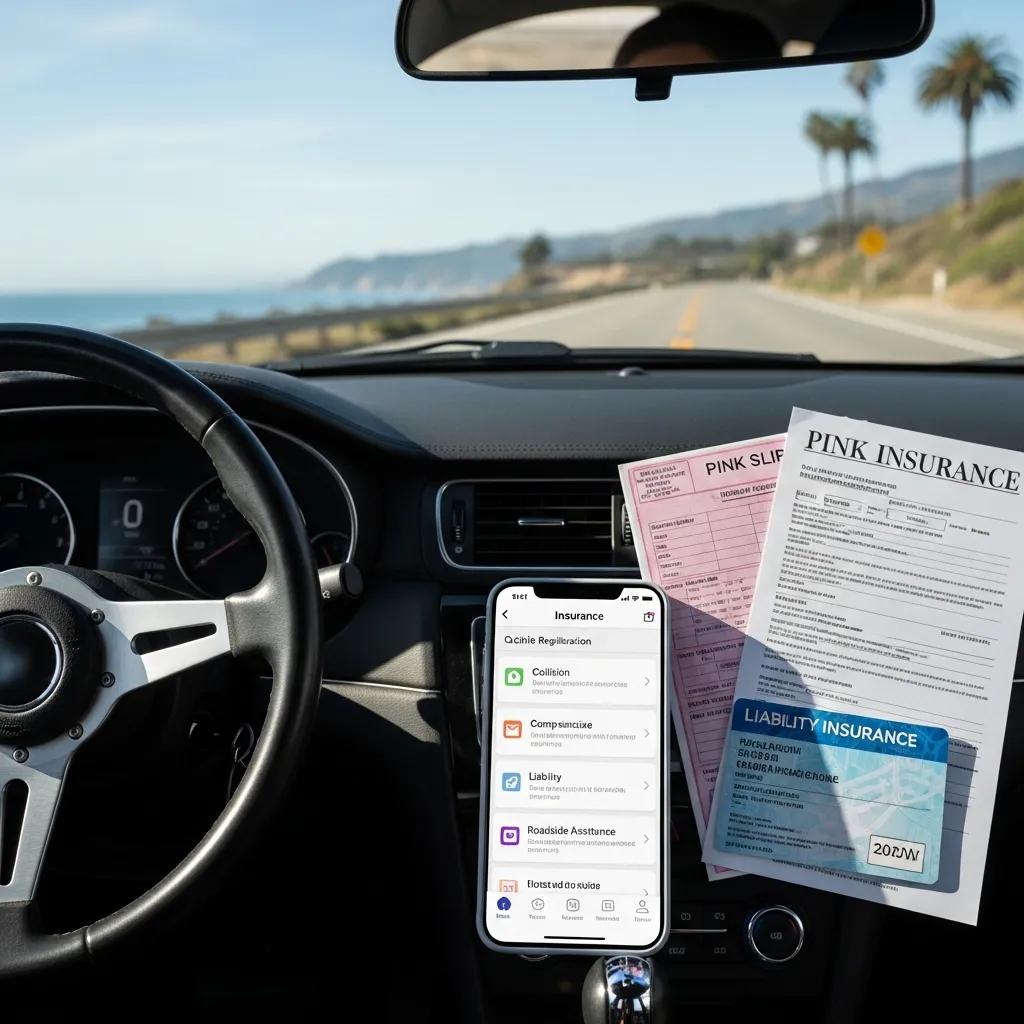
Vehicle insurance is mandatory in California and includes several principal coverages. Liability protects third parties for bodily injury and property damage and is required by law. Collision covers repair or replacement of your vehicle after an accident. Comprehensive protects against non-collision events such as theft and certain natural disasters. Uninsured/underinsured motorist coverage safeguards you when the at-fault driver lacks adequate insurance.
For organizations seeking technology solutions to optimize insurance operations, Advancio provides IT services designed to streamline workflows and enhance customer engagement.
How Do Auto Insurance Policies Address California’s Unique Risks?
California’s geography and environmental conditions require specific considerations in auto policies. Wildfires and earthquakes affect exposure and claims patterns, prompting insurers to adjust coverage or pricing based on location-related risk. Insurers often include provisions that reflect these hazards, and state regulation mandates protections to ensure drivers have adequate coverage against regional challenges.
State regulations derive from frameworks such as Proposition 103, which has materially influenced California’s auto insurance regulatory framework.
California Auto Insurance Regulation & Proposition 103
Analysis of Proposition 103 highlights its role in shaping California’s automobile insurance oversight. See “State Automobile Insurance Regulation: A National Quality Assessment and In-Depth Review of California’s Uniquely Effective Regulatory System” (2008) for a detailed examination.
What Car Insurance Discounts Are Available to California Drivers?
California motorists may qualify for a range of discounts that reduce premiums. Common examples include:
- Good Driver Discount: Available to drivers with a clean driving record.
- Multi-Policy Discount: Offered to those who bundle auto insurance with other types of insurance, such as homeowners.
- Low Mileage Discount: For drivers who do not use their vehicles frequently.
These discounts reward safer driving behaviors and can produce measurable savings on insurance costs.
How Does Homeowners Insurance in California Protect Your Property?

Homeowners insurance in California protects owners from perils such as natural disaster damage, theft, and liability exposure. Standard policies typically cover the dwelling structure, personal property, and additional living expenses if the home becomes uninhabitable due to a covered loss. Understanding policy scope is essential to safeguard your investment.
Advancio’s staffing services help insurers source technical talent to strengthen operational capabilities and improve client service delivery.
What Coverage Does California Homeowners Insurance Include?
California homeowners policies commonly include standard coverages:
- Dwelling Coverage: Protects the structure of the home against covered perils.
- Personal Property Coverage: Covers personal belongings within the home.
- Liability Protection: Offers financial protection against lawsuits for injuries or damages occurring on the property.
Policyholders may add optional endorsements, such as earthquake insurance, which is particularly relevant given California’s seismic activity.
For homeowners unable to secure standard coverage, particularly in high-risk areas, the California FAIR Plan provides a state-mandated, insurer-backed option for basic property insurance.
California Home Insurance & FAIR Plan Options
The California FAIR Plan functions as a state-mandated insurer pool that supplies basic property coverage where private-market options are limited. See “The California Home Insurance Challenge in Eight Charts, C Reid, 2025” for further context.
How Do Wildfire Risks Affect Homeowners Insurance Policies?
Wildfire exposure materially influences homeowners coverage and pricing in California. Insurers assess wildfire probability and historical loss when determining premiums and eligibility. Homeowners in high-risk locations may face higher rates or mitigation requirements to maintain coverage. Awareness of these dynamics is essential to secure adequate protection.
The rising frequency and severity of wildfires have created substantial challenges in California’s homeowners insurance market, especially for properties located in high-risk zones.
California Wildfire Risk & Homeowners Insurance Crisis
Research shows high wildfire risk classifications are associated with insurer nonrenewals and constrained market capacity, contributing to the state’s homeowners insurance difficulties. See “California’s Homeowners Insurance Crisis: Examining Nonrenewals, Wildfire Risk, and Rurality by County” (2024).
Who Are the Leading California Insurance Providers and How Do They Compare?
Several major insurers operate in California and offer a range of auto and homeowners products. The table below compares selected companies against coverage scope, customer service metrics, and average premiums to aid decision-making.
This comparison demonstrates the available options, enabling policyholders to select providers that align with their coverage requirements.
What Are the Top Features Offered by California Insurance Companies?
Insurers in California provide features that enhance policy utility. Key offerings include:
- Flexible Payment Plans: Many insurers provide options for monthly or quarterly payments, making it easier for policyholders to manage their finances.
- Online Policy Management: Customers can easily manage their policies online, including making payments and filing claims.
- Customizable Coverage Options: Insurers often allow policyholders to tailor their coverage to meet specific needs, ensuring adequate protection.
Collectively, these features improve accessibility and administrative efficiency for policyholders.
How Can You Compare Vehicle and Homeowners Insurance Providers Effectively?
To compare providers effectively, follow these steps:
- Assess Coverage Needs: Determine the types of coverage required based on personal circumstances.
- Gather Quotes: Obtain quotes from multiple providers to compare pricing and coverage options.
- Read Reviews: Look for customer reviews and ratings to gauge the quality of service and claims handling.
Following these steps supports an informed selection process that balances coverage adequacy and cost.
What Are the Essential Steps to Obtain Vehicle Insurance Quotes in California?
To obtain vehicle insurance quotes in California, follow this streamlined process:
- Gather Necessary Information: Collect details such as your driver’s license number, vehicle information, and driving history.
- Use Online Tools: Utilize online comparison tools to gather quotes from various insurers.
- Contact Providers: Reach out to insurance companies directly for personalized quotes and to clarify any questions.
These actions help drivers identify competitive coverage options and make cost-effective choices.
How to Navigate the California Insurance Quote Process Efficiently?
Simplify the quote process with these practical tips:
- Be Prepared: Have all necessary documentation ready to streamline the process.
- Ask Questions: Don’t hesitate to ask insurance agents about coverage details and discounts.
- Review Policies Carefully: Ensure you understand the terms and conditions before committing to a policy.
Proactive preparation and informed questioning enable a more efficient and reliable quote process.
What Factors Influence Your Vehicle Insurance Premiums in California?
Vehicle insurance premiums in California are influenced by multiple factors, including:
- Driving Record: A clean driving history typically results in lower premiums.
- Location: Areas with higher accident rates may lead to increased costs.
- Vehicle Type: The make and model of the vehicle can affect insurance rates, with more expensive cars often costing more to insure.
Understanding these cost drivers enables policyholders to pursue measures that may reduce premiums over time.
Frequently Asked Questions
What should I consider when choosing between different insurance providers in California?
Evaluate coverage scope, customer service ratings, and premium levels relative to your needs. Determine whether you require disaster-specific protections or enhanced liability limits. Review customer feedback on claims handling and compare multiple providers to identify the best fit for your financial and coverage objectives.
How can I lower my homeowners insurance premium in California?
To reduce homeowners premiums, consider increasing your deductible, installing qualifying safety features such as monitored security systems and smoke detectors, bundling policies, and periodically shopping the market to ensure competitive pricing.
What is the California FAIR Plan and who qualifies for it?
The California FAIR Plan is a state-mandated program that provides basic property insurance to homeowners who cannot obtain coverage through standard insurers, often due to wildfire exposure or prior claims. Eligible homeowners can secure essential fire and peril coverage through this program.
Are there specific insurance requirements for rideshare drivers in California?
Yes. California law requires rideshare drivers to maintain minimum liability coverage while providing transportation services. Rideshare companies frequently offer supplemental insurance to fill gaps in personal auto policies during rideshare operations. Drivers should confirm both personal and commercial coverage obligations to remain compliant and protected.
How do insurance companies assess wildfire risk for homeowners?
Insurers assess wildfire risk by reviewing property location, proximity to vegetation, historical fire incidence, construction materials, and defensible space. These factors inform underwriting decisions and premium calculation; high-risk properties may face elevated rates or mandated mitigation measures.
What are the benefits of using online tools for comparing insurance quotes?
Online comparison tools offer convenience and efficiency by producing multiple quotes from a single submission. They clarify differences in coverage, premiums, and available discounts, and often include user ratings that help evaluate insurer reputation prior to selection.
What role does credit history play in determining insurance premiums in California?
Insurers may consider credit history when setting auto and homeowners premiums; stronger credit profiles can result in lower rates. California law, however, prohibits using credit history as the sole factor in rate determination. Maintaining good credit remains a practical lever to reduce insurance costs over time.
Conclusion
A structured understanding of vehicle and homeowners insurance in California enables informed decisions that protect assets and financial stability. By reviewing coverage options, applicable discounts, and state-specific risks, policyholders can tailor protection to their needs. Comparing providers and collecting multiple quotes can yield cost savings and greater assurance. Begin by consulting available resources and contacting reputable providers to secure comprehensive coverage.
“`


